Newest card
Classic and cult cinema, one card at a time
Classic Movies, Silent Films, Film Noir and Cult Cinema
Silent pictures, old Hollywood, film noir, cult oddities and the posters and cards that sold them, written by film enthusiasts and checked against published sources.
- 60 articles
- 10 sections
- 2 writers
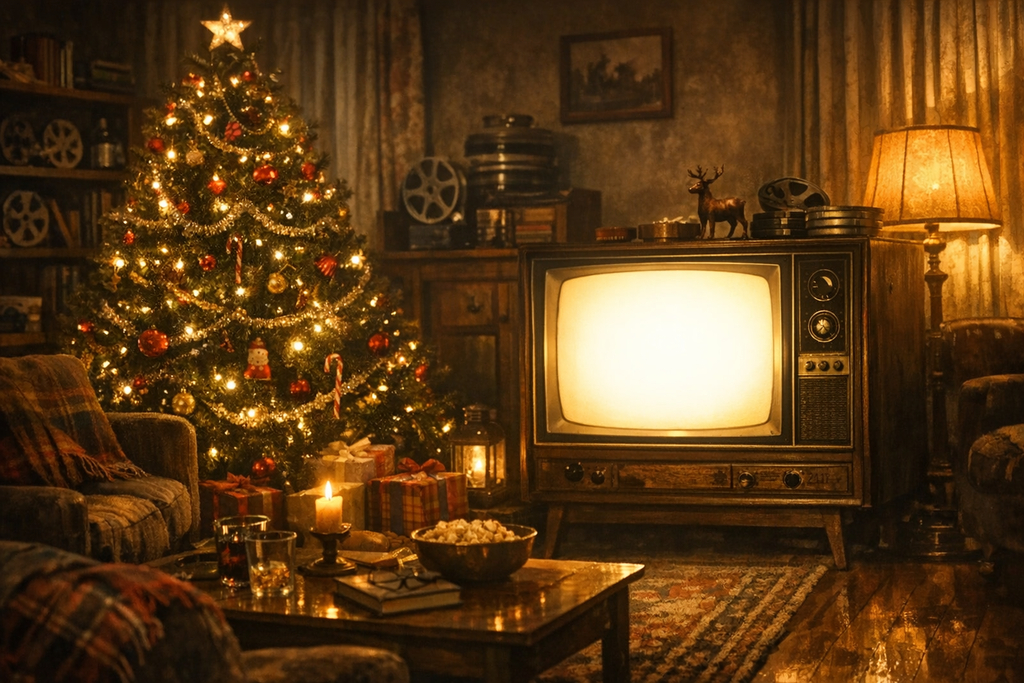
A set of 10 cards
The lobby wall
Every section of the magazine hangs here as one framed card. Pick the one that pulls at you.
-
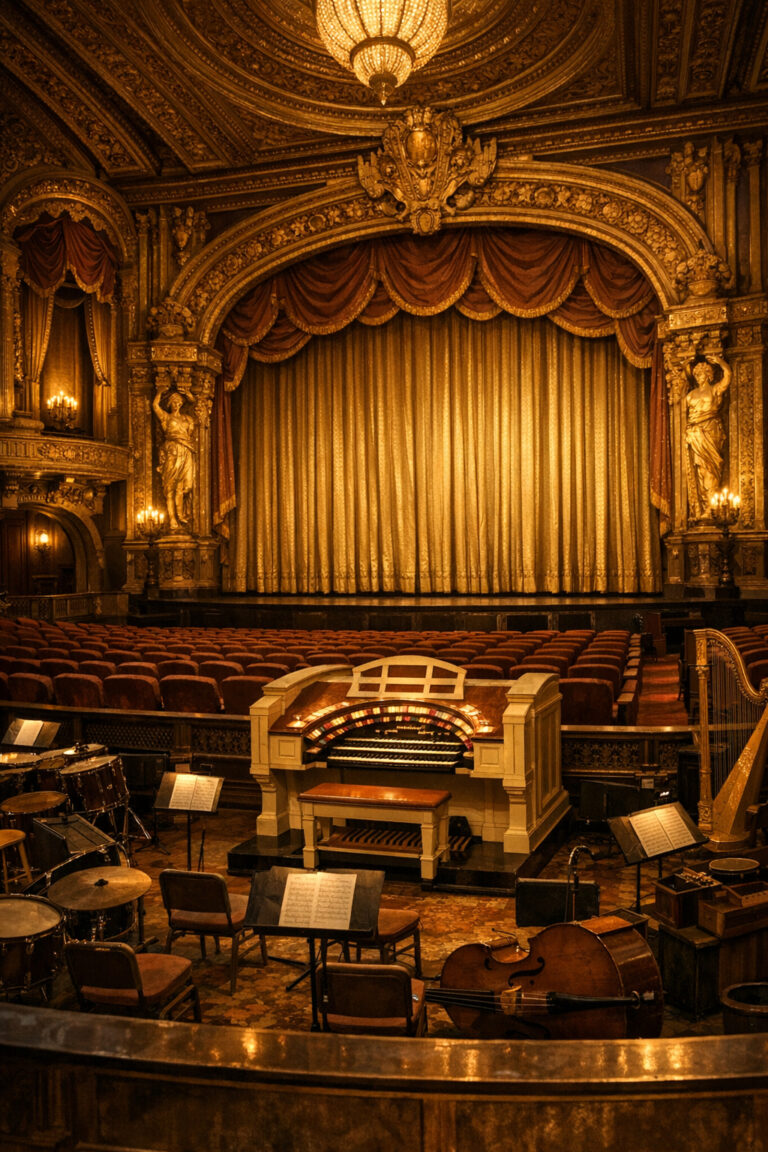 No. 1
Silent Era
Silent films were never really silent. They played to live music, sometimes a single piano and sometimes a full orchestra, and audiences…
6 articles -
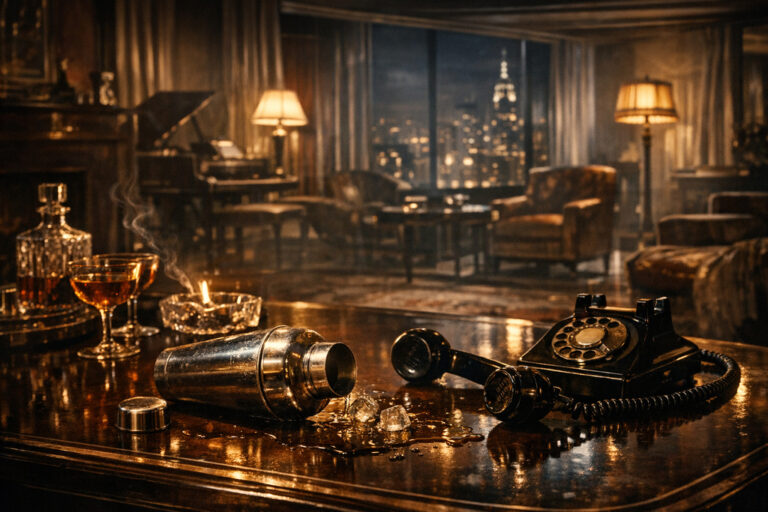 No. 2
Golden Age Hollywood
From the arrival of sound to the collapse of the studio system, a handful of Hollywood studios made most of the films…
6 articles -
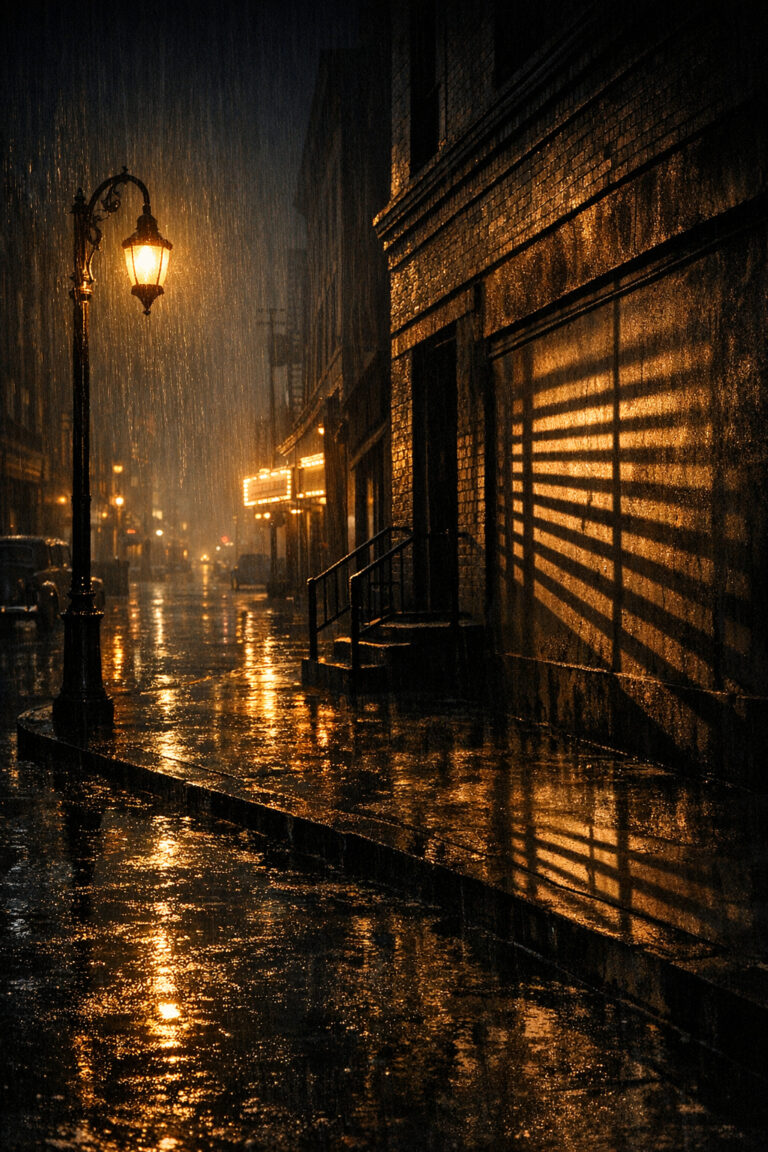 No. 3
Film Noir
Film noir was named by French critics after the war, not by the Hollywood studios that made it. The films themselves were…
6 articles -
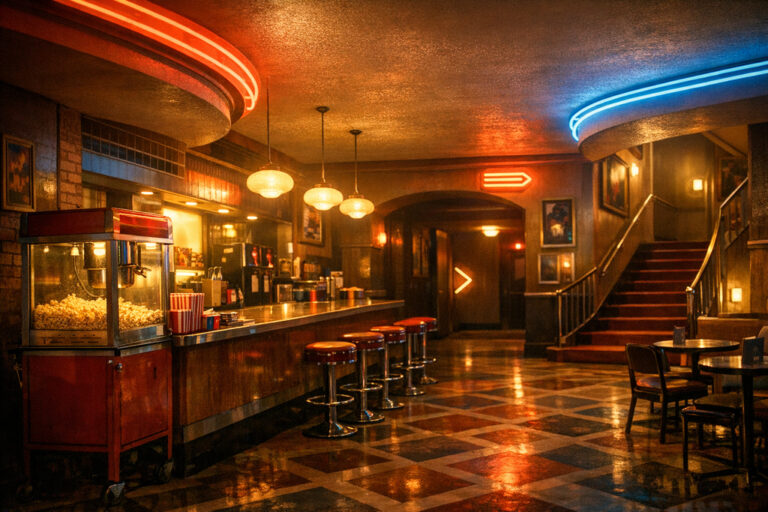 No. 4
Cult Movies
A cult movie is rarely made on purpose. It is usually a film that failed, puzzled its first audience or played in…
6 articles -
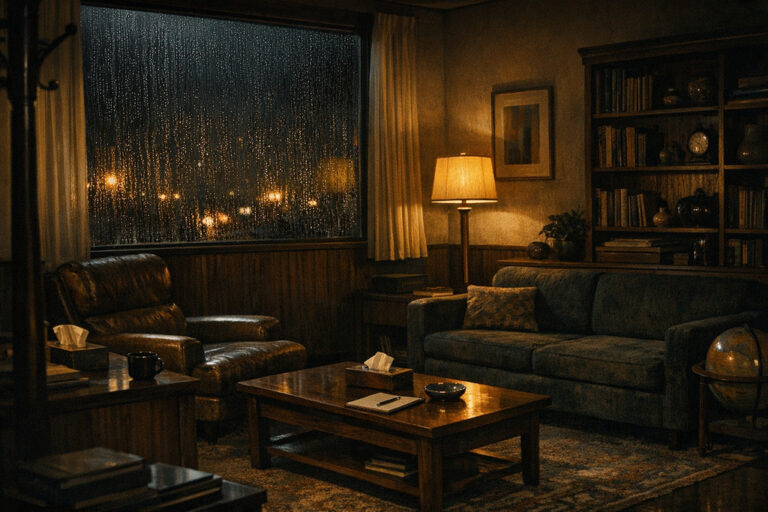 No. 5
Underrated & Forgotten
Some films are missed because they opened the same week as a giant, some because their studio did not know how to…
6 articles -
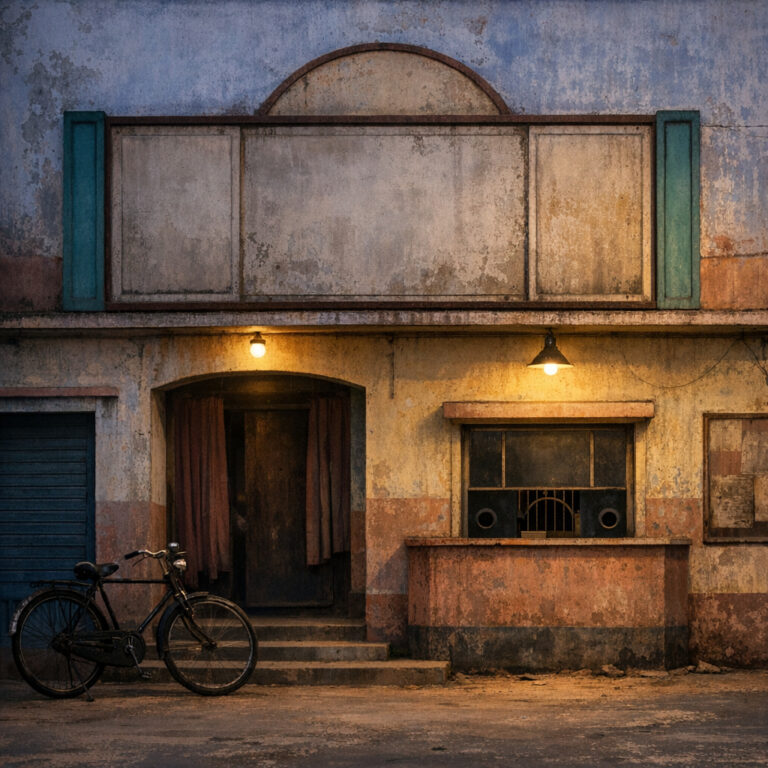 No. 6
World Cinema
Hollywood was never the whole story. Across the twentieth century, film industries in Europe, Asia and beyond built their own styles, stars…
6 articles -
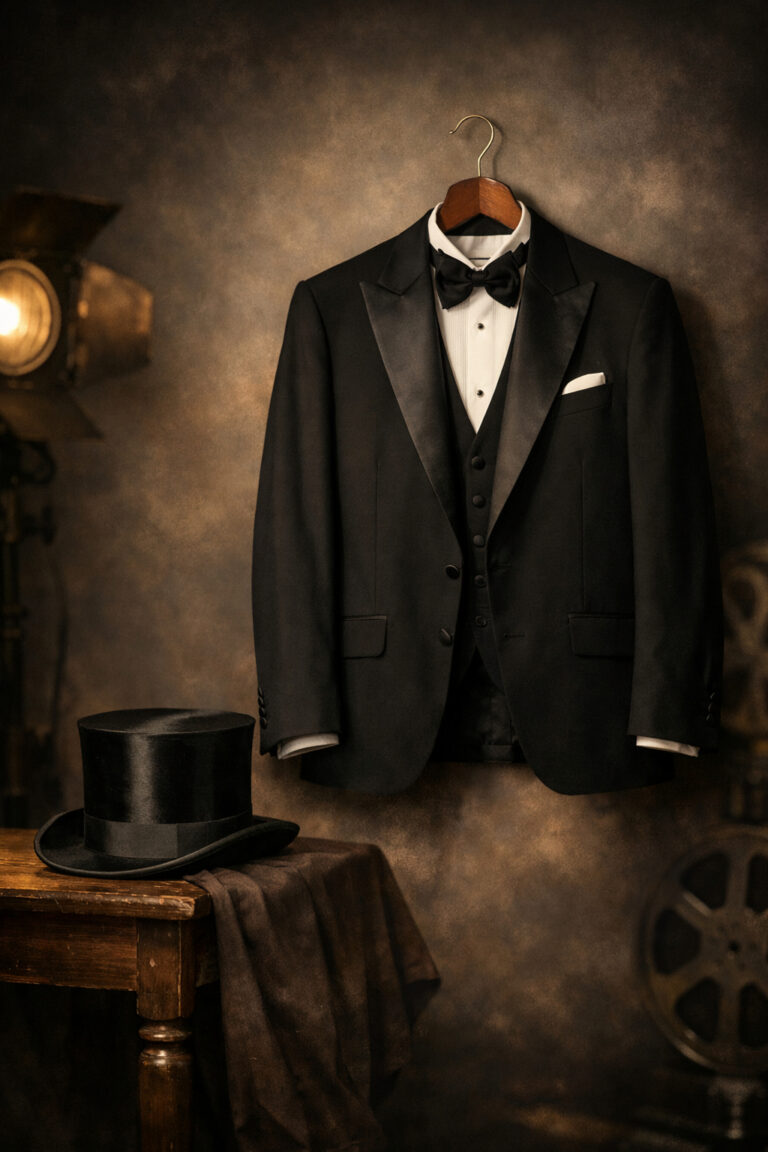 No. 7
Stars & Filmmakers
Behind every classic film is a list of names, and some of those names add up to careers worth following from beginning…
6 articles -
 No. 8
Trivia & Quotes
Trivia is the fun way into film history. A good question sends you back to a film you thought you knew, and…
6 articles -
 No. 9
Posters & Lobby Cards
Before trailers played everywhere, paper sold the movies. Posters went up outside the cinema, and lobby cards, small printed scene cards issued…
6 articles -
 No. 10
Classic Film Reviews
A review of an old film has a different job from a new-release review. The question is not whether to buy a…
6 articles
Just added
Fresh on the wall
All articles

Walk into an old picture palace and the first thing you met was not the screen. It was the lobby: a wall of small framed cards, each one a single scene from the feature, chosen to make you buy a ticket for next week. You could read a whole film off that wall before you ever sat down.
The Lobby Card works the same way. It is an English-language magazine about classic movies and the films that orbit them: silent pictures, old Hollywood and its studio system, film noir, cult oddities, overlooked titles, world-cinema landmarks, the people who made them, the trivia that grew up around them, and the posters and cards that sold them. Every article is written by a film enthusiast and checked against published sources. The site does not host, stream or link to films, and it does not value or trade memorabilia.
The lobby wall: ten sections, ten first cards
Each section of the magazine is one frame on the wall. Pick the one that pulls at you and start with the article next to it.
| Section | What you’ll find there | Start with |
|---|---|---|
| Silent Era | Early features, silent comedy, the stars who rose and fell with sound, and films that survive only in fragments or not at all | Silent movies: where to start |
| Golden Age Hollywood | The studio system, the Production Code, screwball comedy and the craft behind the old Hollywood look | The Golden Age of Hollywood explained |
| Film Noir | Shadows, fatalism, hardboiled source novels and the cameramen who lit it all | What is film noir? |
| Cult Movies | Midnight screenings, strange science fiction, glorious failures and films that found their audience late | The best cult movies |
| Underrated & Forgotten | Films that slipped past audiences and critics the first time, from horror to 1980s sleepers | Underrated movies worth your time |
| World Cinema | National film movements, from Italian neorealism to Japan’s postwar masters and the French New Wave | World cinema classics: a beginner’s map |
| Stars & Filmmakers | Career guides to actors, directors and the character players who filled the frame | The great directors of classic Hollywood |
| Trivia & Quotes | Quiz-night questions, production stories and famous lines that are usually misquoted | Movie trivia questions and answers |
| Posters & Lobby Cards | The history of film advertising paper: formats, artists, design styles and careful storage | What are lobby cards? |
| Classic Film Reviews | Single films revisited at length, plus watchlists for building a classic-film habit | Classic movies to watch |
Start here: a five-step path into old movies
If you have never sat through a black-and-white feature on purpose, this order works better than starting with the most famous title on every list.
- Lower the barrier. Old movies worth watching for people who think they don’t like old movies picks films that move fast and play well to a modern audience.
- Learn the landscape. The Golden Age of Hollywood explained sets out how the studios worked, why stars were under contract and what the Production Code changed.
- Go further back. Silent comedy: Chaplin, Keaton and Lloyd is the friendliest door into the silent era, because a good sight gag needs no translation.
- Turn the lights down. The best film noir movies is a starter list for the most imitated style Hollywood ever produced.
- Revisit a classic properly. Casablanca (1942) looks at the production, the script and why one wartime studio picture still plays so well.
From there, the wall is yours: the cult and underrated sections are where the stranger and more personal discoveries tend to happen.
How the site is written
Two writers share the magazine. Martin Hale covers the silent era, old Hollywood, film noir, classic reviews and the history of posters and lobby cards. Nora Quinlan covers cult and underrated films, world cinema, biographies and trivia. Both are enthusiasts rather than historians, archivists or professional critics, and they write that way: credits, dates and running times are checked against published sources, and when something is genuinely uncertain, as it often is with lost and obscure films, the article says so instead of guessing.
Where a film can still be seen, articles say only that it may be found through public-domain archives or licensed services. The images are illustrative scenes created for the site; they never show real actors or reproduce real posters. More about the writers and the rules they follow is on the About page and in the editorial policy.
Written by
The writers
Martin Hale
30 articles
Writes about silent films, Golden Age Hollywood, film noir, classic reviews and the history of posters and lobby cards. A lifelong repertory-cinema regular, not a film historian, archivist or memorabilia appraiser — he points readers to archives and restorations for the definitive word.
Nora Quinlan
30 articles
Covers cult and underrated films, world-cinema classics, filmmaker and star biographies and movie trivia. A devoted midnight-screening fan and quiz-night host, not a professional critic or academic.